-
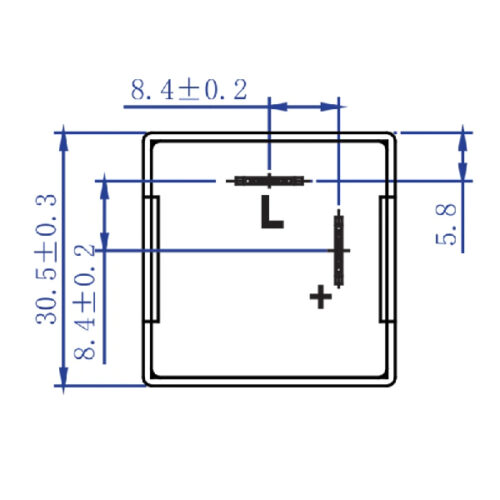
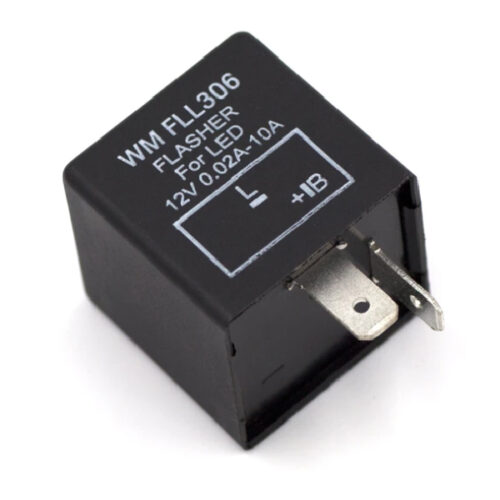 When upgrading light bulbs from incandescent bulbs to LUMENS LED bulbs, many factory signal flashers will "hyperflash" (blink very rapidly) due to the change in resistance from a standard bulb to LEDs. LUMENS LED Flasher Relays are used in conjunction with LUMENS LED bulbs to slow the signal speed back to normal. If the vehicle has a signal relay, using these relays would be more cost-effective than installing resistors to maintain the flashing signal speed. Additionally, it is much easier to switch out a relay than to solder in multiple resistors in the vehicle.
 -
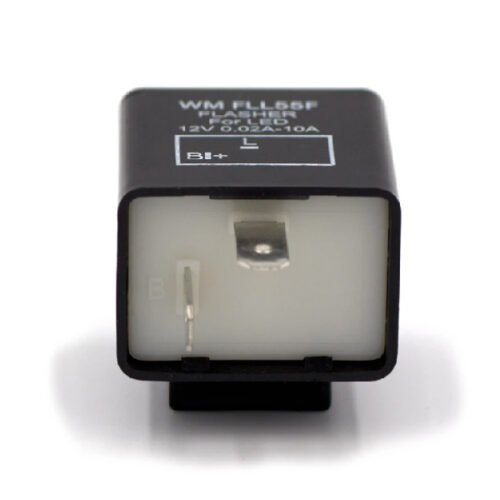
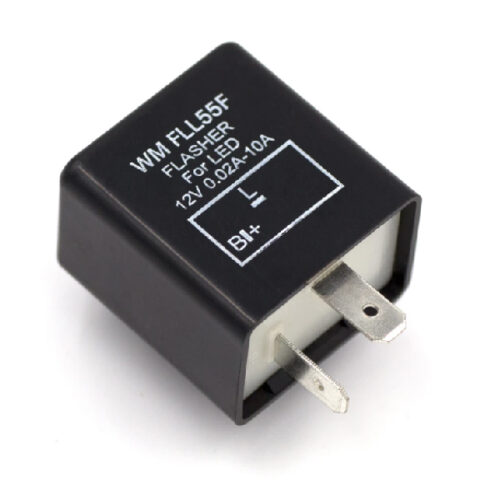 When upgrading light bulbs from incandescent bulbs to LUMENS LED bulbs, many factory signal flashers will "hyperflash" (blink very rapidly) due to the change in resistance from a standard bulb to LEDs. LUMENS LED Flasher Relays are used in conjunction with LUMENS LED bulbs to slow the signal speed back to normal. If the vehicle has a signal relay, using these relays would be more cost-effective than installing resistors to maintain the flashing signal speed. Additionally, it is much easier to switch out a relay than to solder in multiple resistors in the vehicle.
 -
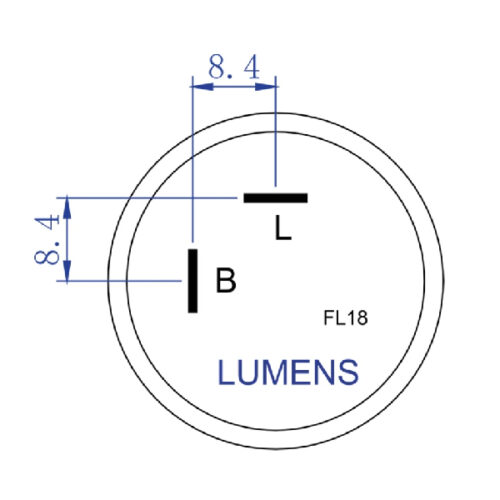
 When upgrading light bulbs from incandescent bulbs to LUMENS LED bulbs, many factory signal flashers will "hyperflash" (blink very rapidly) due to the change in resistance from a standard bulb to LEDs. LUMENS LED Flasher Relays are used in conjunction with LUMENS LED bulbs to slow the signal speed back to normal. If the vehicle has a signal relay, using these relays would be more cost-effective than installing resistors to maintain the flashing signal speed. Additionally, it is much easier to switch out a relay than to solder in multiple resistors in the vehicle.
 -
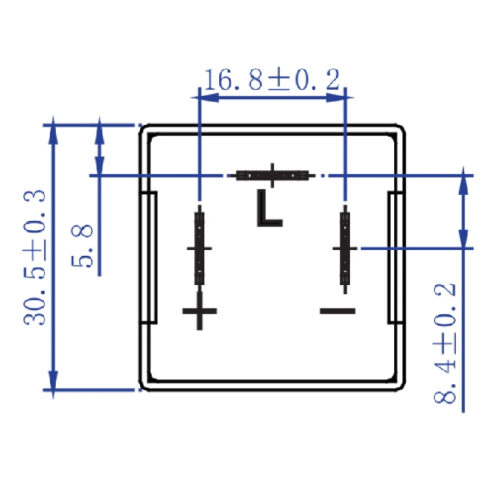
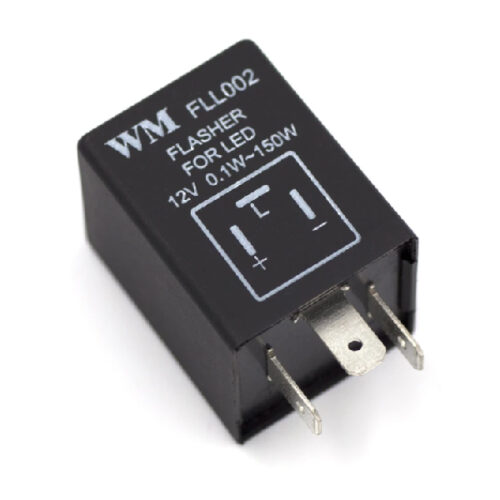 When upgrading light bulbs from incandescent bulbs to LUMENS LED bulbs, many factory signal flashers will "hyperflash" (blink very rapidly) due to the change in resistance from a standard bulb to LEDs. LUMENS LED Flasher Relays are used in conjunction with LUMENS LED bulbs to slow the signal speed back to normal. If the vehicle has a signal relay, using these relays would be more cost-effective than installing resistors to maintain the flashing signal speed. Additionally, it is much easier to switch out a relay than to solder in multiple resistors in the vehicle.
 -
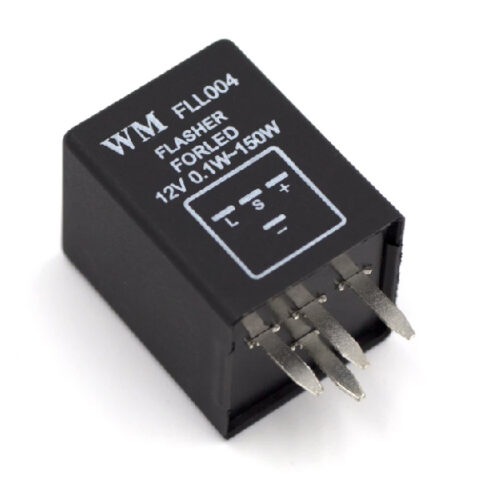 When upgrading from incandescent light bulbs to LUMENS LED bulbs, many factory signal flashers will "hyperflash" (blink very rapidly) due to the change in resistance from a standard bulb to LEDs. LUMENS LED Flasher relays are used in conjunction with LUMENS LED bulbs to slow the signal speed back to normal. If the vehicle has a signal relay, using these relays would be more cost-effective than installing resistors to maintain the flashing signal speed. Furthermore, it is much easier to switch out a relay than to solder in multiple resistors in the vehicle.
 -
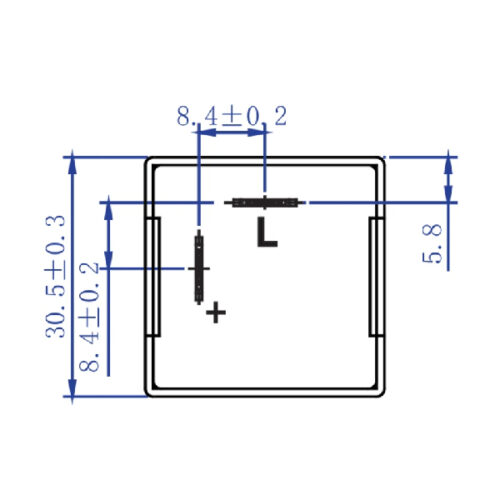
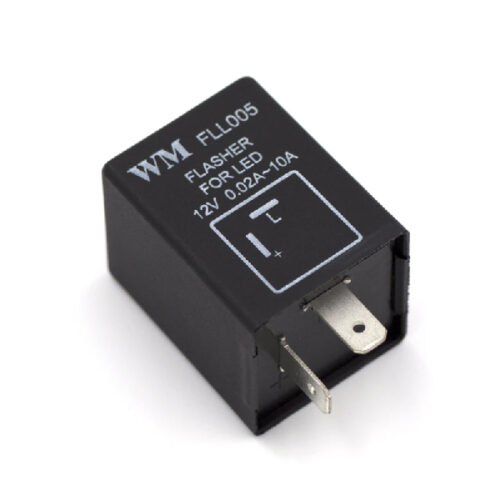 When upgrading light bulbs from incandescent bulbs to LUMENS LED bulbs, many factory signal flashers will "hyperflash" (blink very rapidly) due to the change in resistance from a standard bulb to LEDs. LUMENS LED Flasher Relays are used in conjunction with LUMENS LED bulbs to slow the signal speed back to normal. If the vehicle has a signal relay, using these relays would be more cost-effective than installing resistors to maintain the flashing signal speed. Additionally, it is much easier to switch out a relay than to solder in multiple resistors in the vehicle.
 -
 When upgrading from incandescent bulbs to LUMENS LED bulbs, many factory signal flashers will 'hyperflash' (blink very quickly) due to the change in resistance from a standard bulb to LEDs. LUMENS LED Flasher relays are used in conjunction with LUMENS LED bulbs to restore the normal signal speed. If the vehicle is equipped with a signal relay, utilizing these relays is more cost-effective than installing resistors to maintain the correct flashing speed. Furthermore, it is significantly easier to replace a relay than to solder multiple resistors into the vehicle.
 -
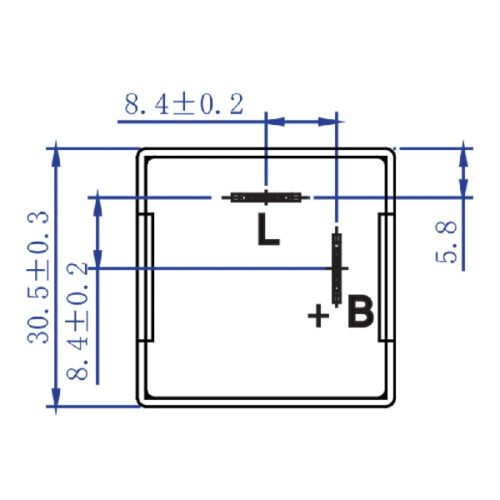
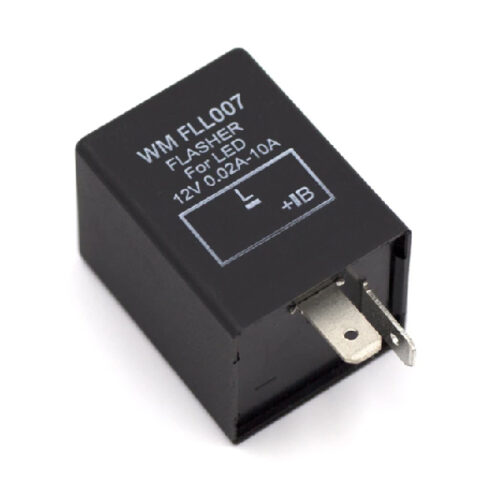 When upgrading light bulbs from incandescent bulbs to LUMENS LED bulbs, many factory signal flashers will "hyperflash" (blink very rapidly) due to the change in resistance from a standard bulb to LEDs. LUMENS LED Flasher Relays are used in conjunction with LUMENS LED bulbs to slow the signal speed back to normal. If the vehicle has a signal relay, using these relays would be more cost-effective than installing resistors to maintain the flashing signal speed. Additionally, it is much easier to switch out a relay than to solder in multiple resistors in the vehicle.
 -
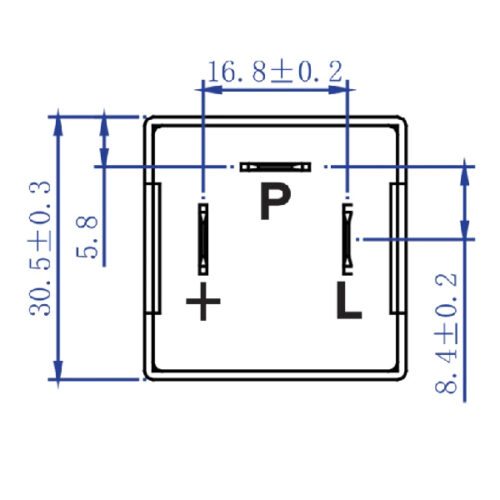
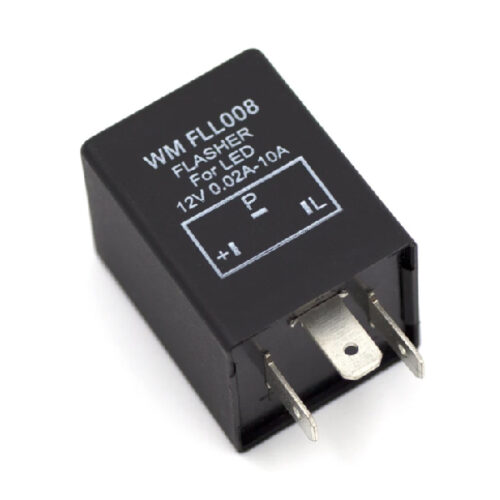 When upgrading light bulbs from incandescent bulbs to LUMENS LED bulbs, many factory signal flashers will "hyperflash" (blink very rapidly) due to the change in resistance from a standard bulb to LEDs. LUMENS LED Flasher Relays are used in conjunction with LUMENS LED bulbs to slow the signal speed back to normal. If the vehicle has a signal relay, using these relays would be more cost-effective than installing resistors to maintain the flashing signal speed. Additionally, it is much easier to switch out a relay than to solder in multiple resistors in the vehicle.
 -
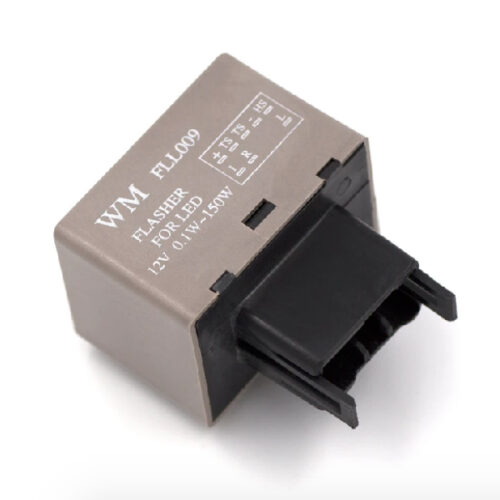 When upgrading incandescent light bulbs to LUMENS LED bulbs, many factory signal flashers will "hyperflash" (blink very rapidly) due to the change in resistance from a standard bulb to LEDs. LUMENS LED Flasher Relays are used in conjunction with LUMENS LED bulbs to slow the signal speed back to normal. If the vehicle has a signal relay, using these relays would be more cost-effective than installing resistors to maintain the flashing signal speed. Furthermore, it is much easier to switch out a relay than to solder in multiple resistors in the vehicle.

Company
All Categories
Legal
Follow Us
Opening Hours
Monday to Thursday | 8:00 AM to 5:00 PM
Friday | 8:00 AM to 4:00 PM
Saturday and Sunday | Closed
© 2025 - 2026 • TNT Pro Custom • All rights reserved • A creation by SV2 Marketing
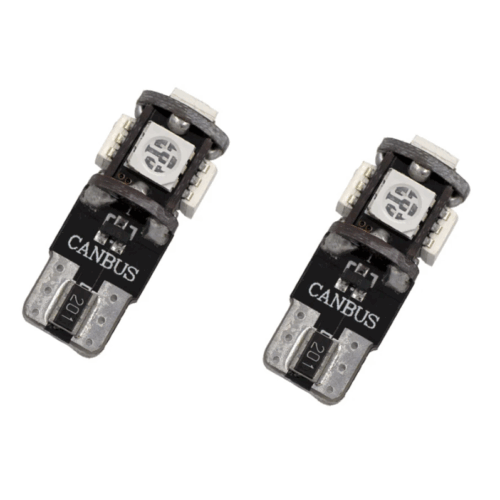 LUMENS - CAN BUS LED Replacement Bulb - T10/194/168 - White (2 Units) - LT10HPBC
 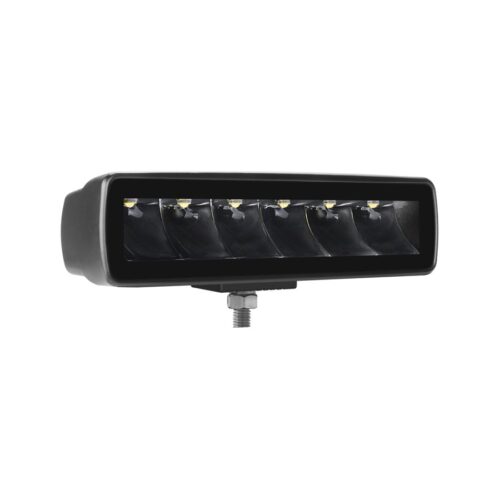 STELLA - LED Work Light - 6 LEDs - 10-30 Volts - 90° Wide Beam - 46-HL3090