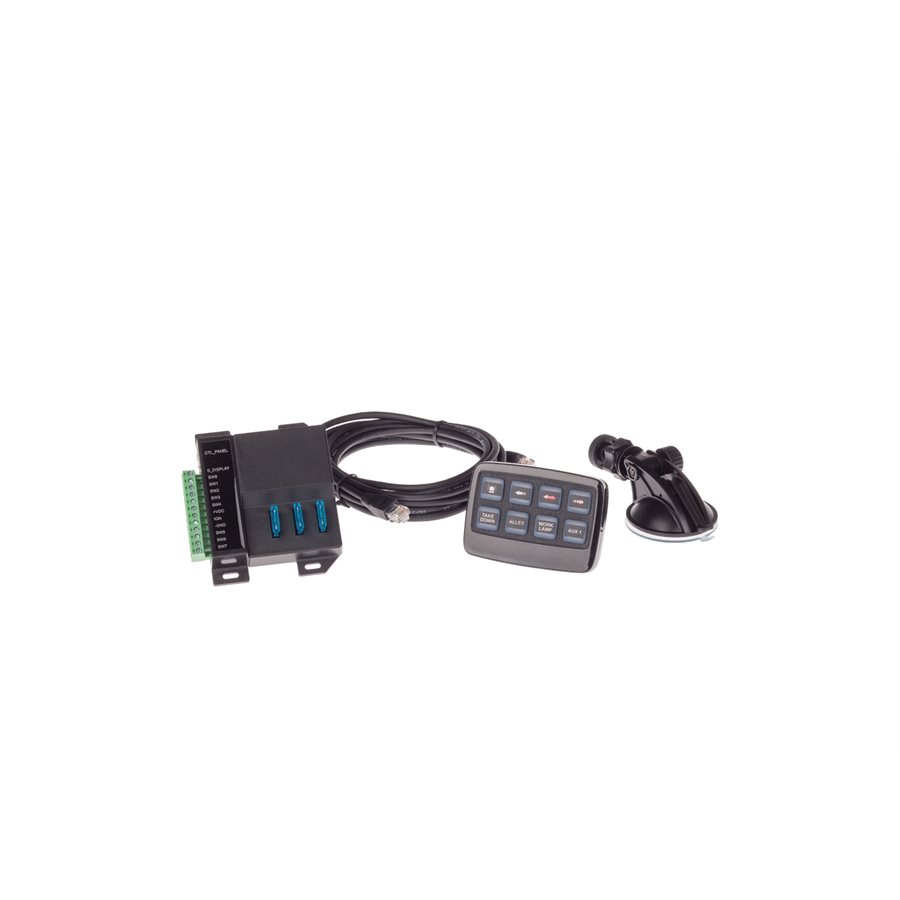
- The SW830MC is a multi-function management and power supply module with a control keypad.
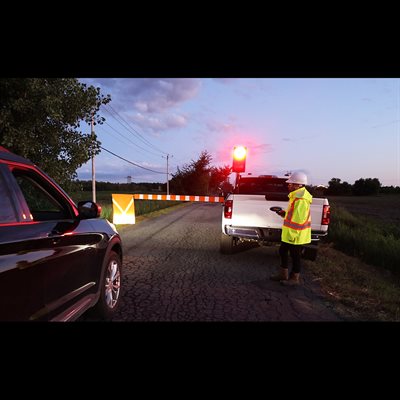
- This product is ideal for workers who want to control warning lights, work lights, directional arrows, or even a siren from the same keypad.
-
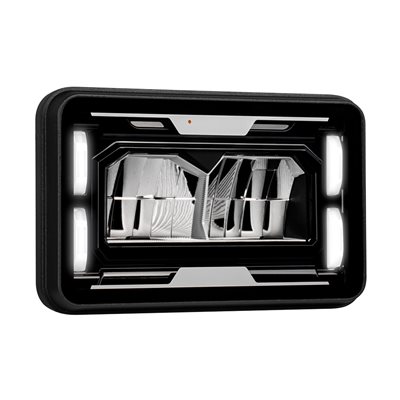
- The powerful LED-4X6-L-HEATMC heated headlights are ideal for truck owners looking to improve their winter night driving while remaining legal. Assembled in a die-cast aluminum housing, these headlights are weather and vibration resistant. They are SAE DOT approved for road use, and daytime running lights have been added to make you even more visible to other vehicles on the road.
- These LED headlights are compatible with the connectors of your original halogen headlights.
-
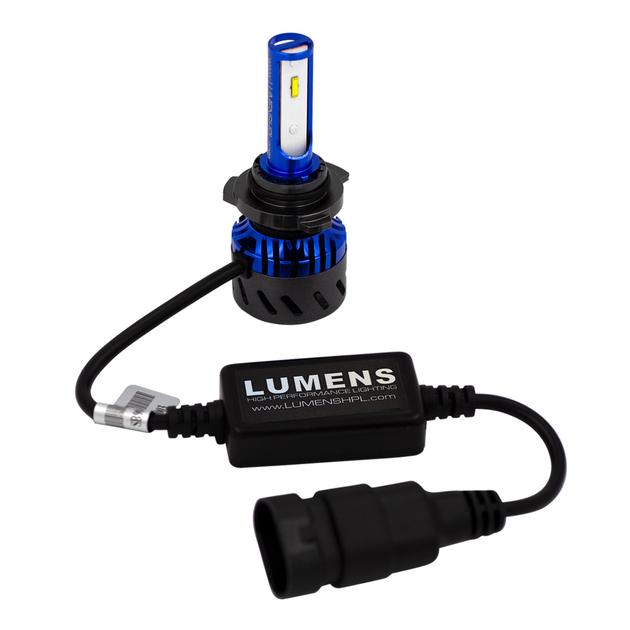
Next-generation LED headlights offer light output comparable to HID xenon headlights, without the glare. Their brightness is more than twice that of halogens.
Recommended for use in projector headlight housings with dust covers.
Instantly achieve full brightness without any warm-up time.
The Plug n' Play design reduces the need for larger harnesses and resistors during installation.
The high-power mini fan provides maximum cooling without compromising the installation space.
Color: 6000K
-
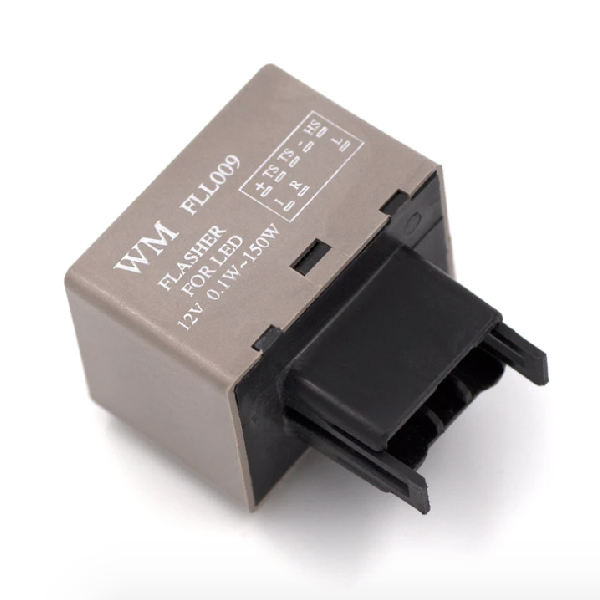
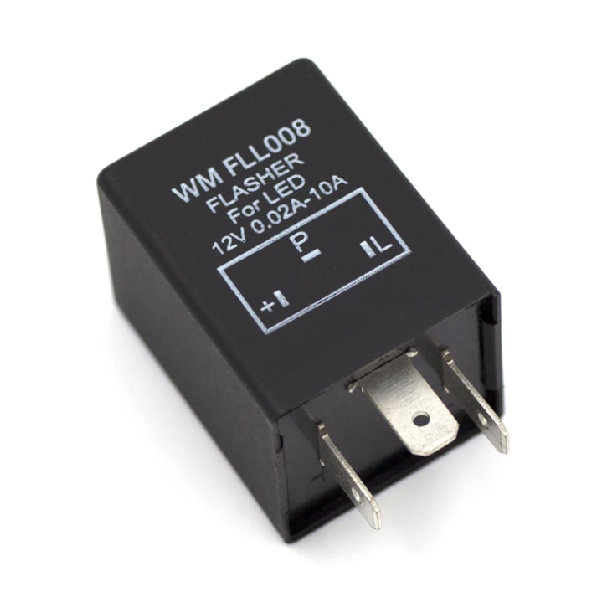
When upgrading incandescent light bulbs to LUMENS LED bulbs, many factory signal flashers will "hyperflash" (blink very rapidly) due to the change in resistance from a standard bulb to LEDs. LUMENS LED Flasher Relays are used in conjunction with LUMENS LED bulbs to slow the signal speed back to normal. If the vehicle has a signal relay, using these relays would be more cost-effective than installing resistors to maintain the flashing signal speed. Furthermore, it is much easier to switch out a relay than to solder in multiple resistors in the vehicle. -
When upgrading light bulbs from incandescent bulbs to LUMENS LED bulbs, many factory signal flashers will "hyperflash" (blink very rapidly) due to the change in resistance from a standard bulb to LEDs. LUMENS LED Flasher Relays are used in conjunction with LUMENS LED bulbs to slow the signal speed back to normal. If the vehicle has a signal relay, using these relays would be more cost-effective than installing resistors to maintain the flashing signal speed. Additionally, it is much easier to switch out a relay than to solder in multiple resistors in the vehicle.